
The Science
The Deconditioning Loop in POTS: How It Starts, and the Gentle Way Out
Symptom avoidance and physical deconditioning can feed each other in POTS — a real loop, not a verdict on why you're sick, and a case for rebuilding slowly.
03
What the research says about blood volume, sodium, and POTS.
Symptom avoidance and physical deconditioning can feed each other in POTS — a real loop, not a verdict on why you're sick, and a case for rebuilding slowly.

POTS is framed as a young woman's condition, which leaves men's presentations under-recognized. What tends to look different, and why diagnosis often lags.
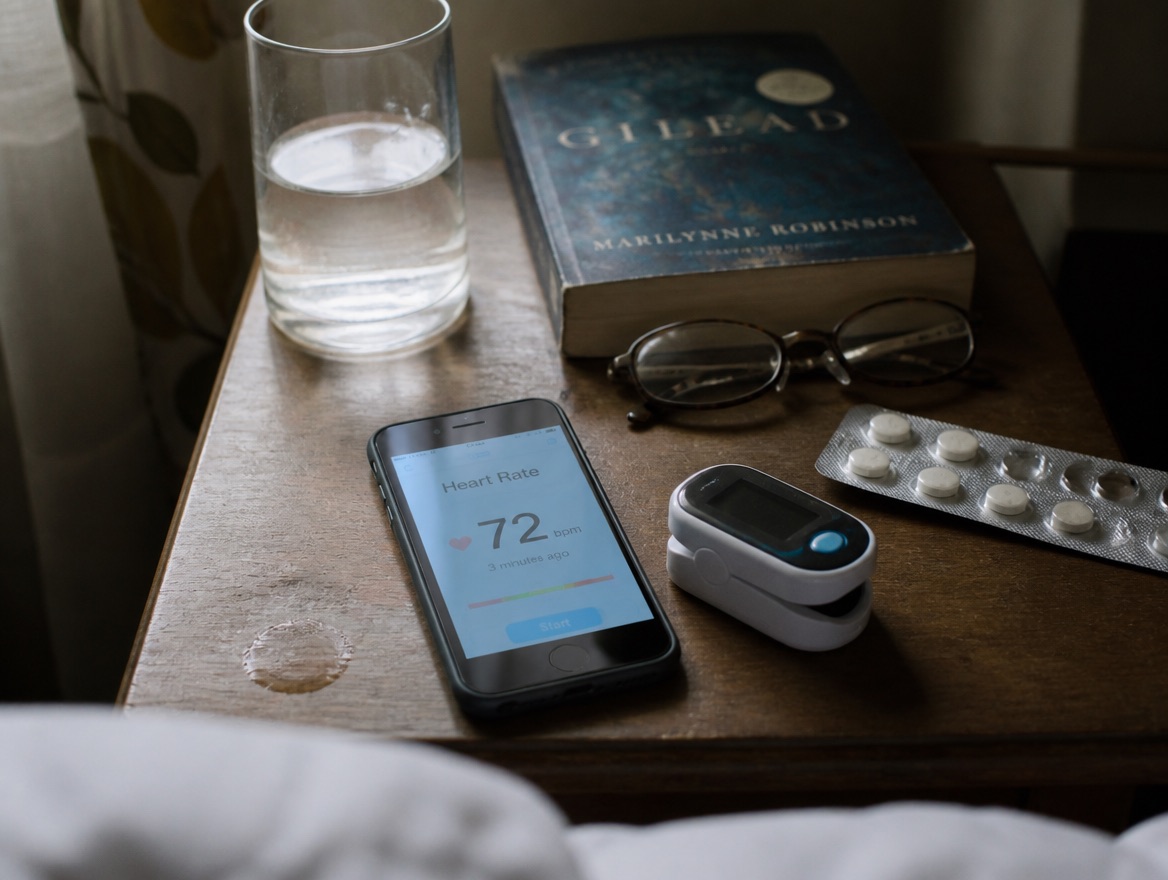
The 30 bpm (40 in adolescents) sustained standing threshold for POTS, the active-stand and tilt context, and why home readings mislead.
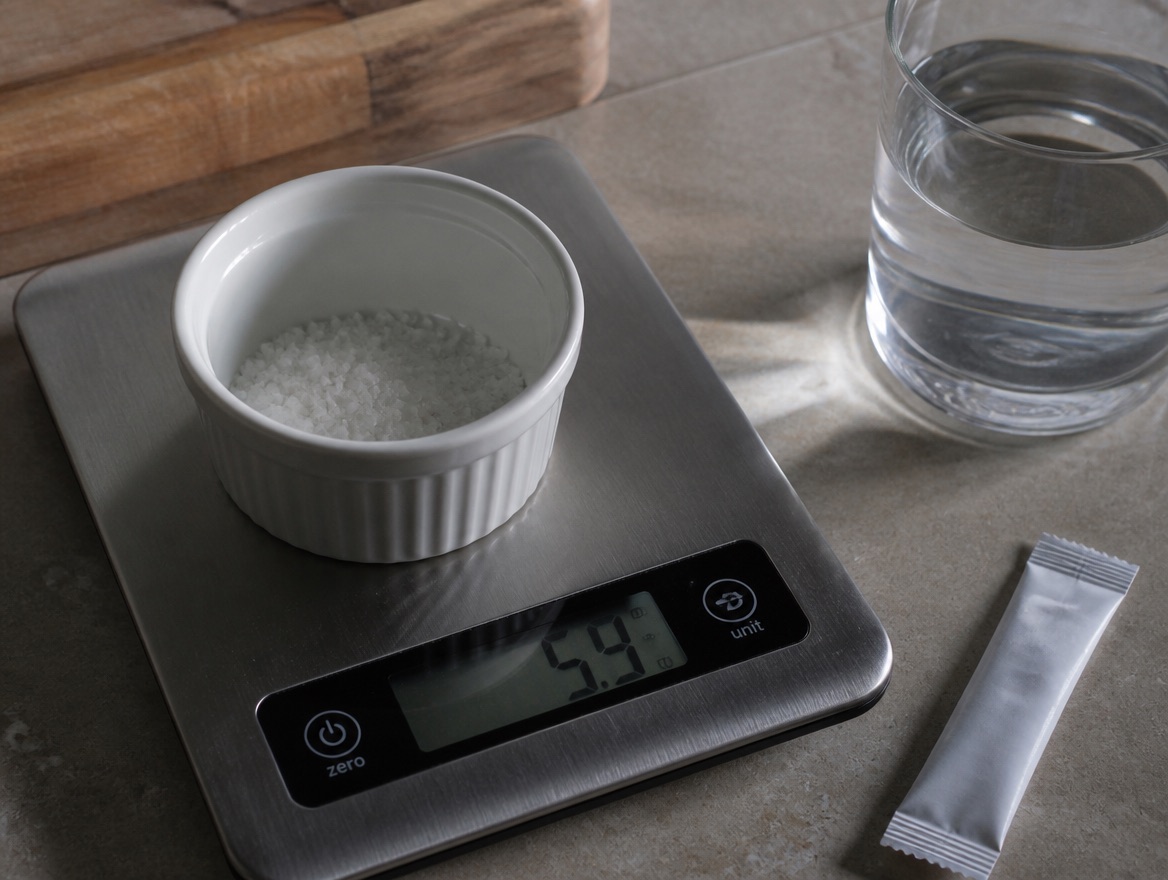
Where the 8-10 g salt target comes from, what it looks like in real meals and water, and the situations in which clinicians dial it back.
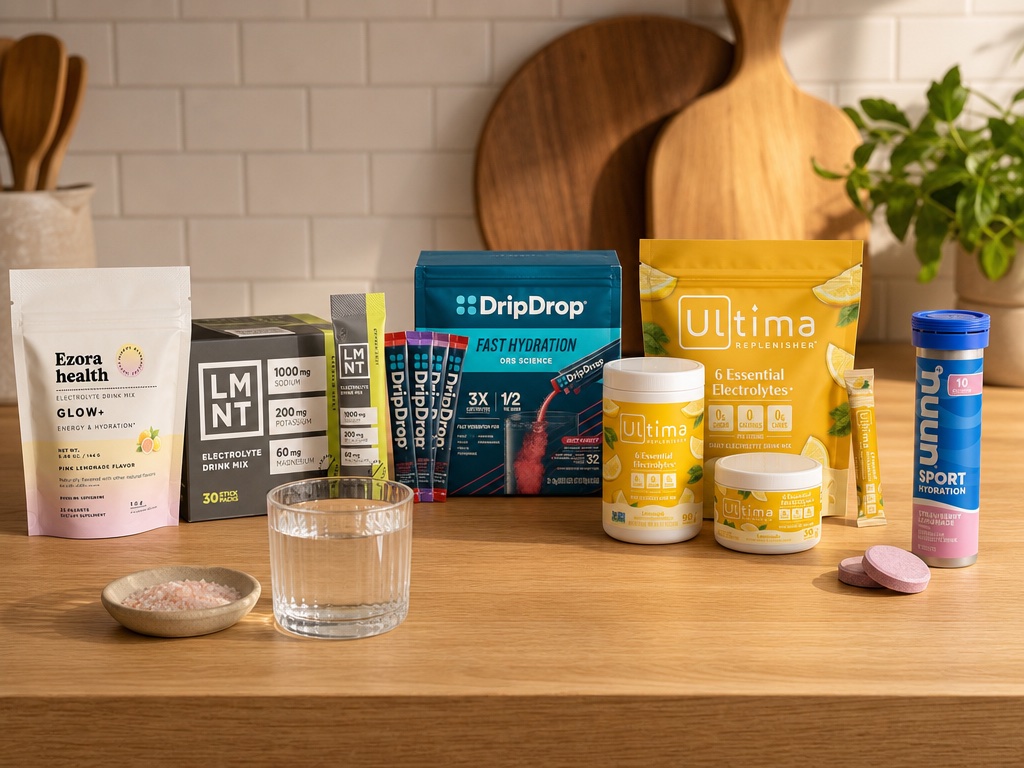
A sodium-first ranking of five popular electrolyte products against what POTS patients actually need each day.
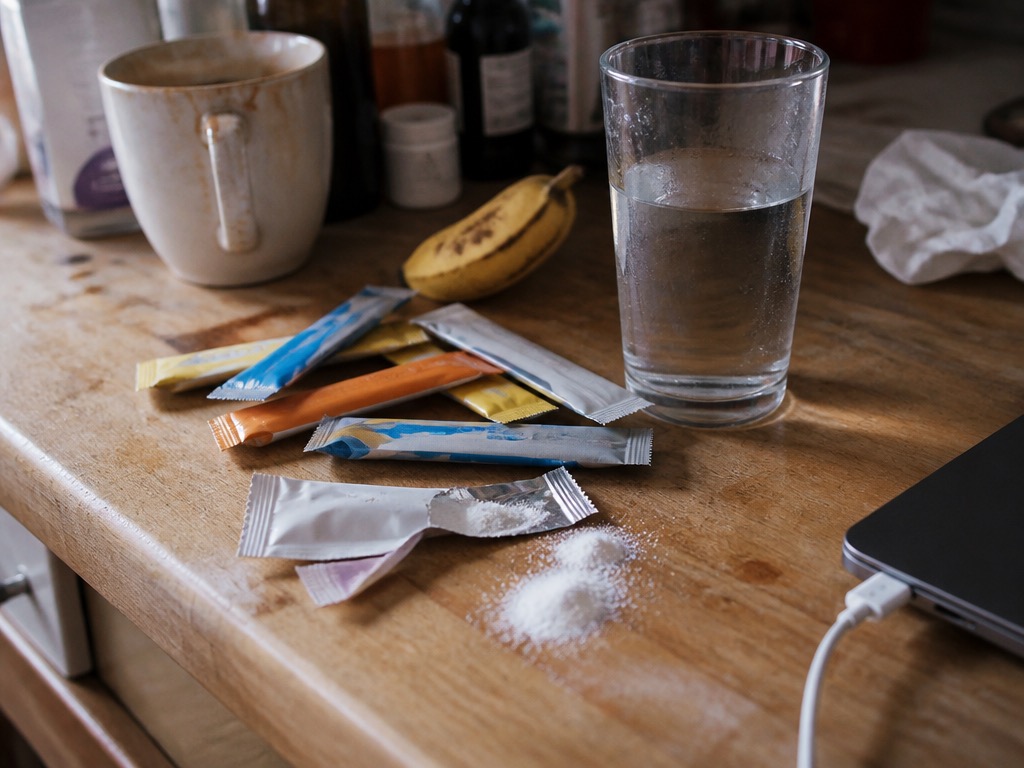
Read the label like a clinician: sodium per serving is the number that matters, then weigh sugar, potassium, and third-party testing.

Why autonomic tachycardia and panic feel so similar, the symptom patterns that actually separate them, and how clinicians work through the question.

Separating well-supported electrolyte roles from hopeful internet claims, and why 'more electrolytes' is not automatically better for POTS.

The baroreflex in everyday terms, what goes sideways with it in POTS, and how the body's compensation explains the racing heart and symptoms.
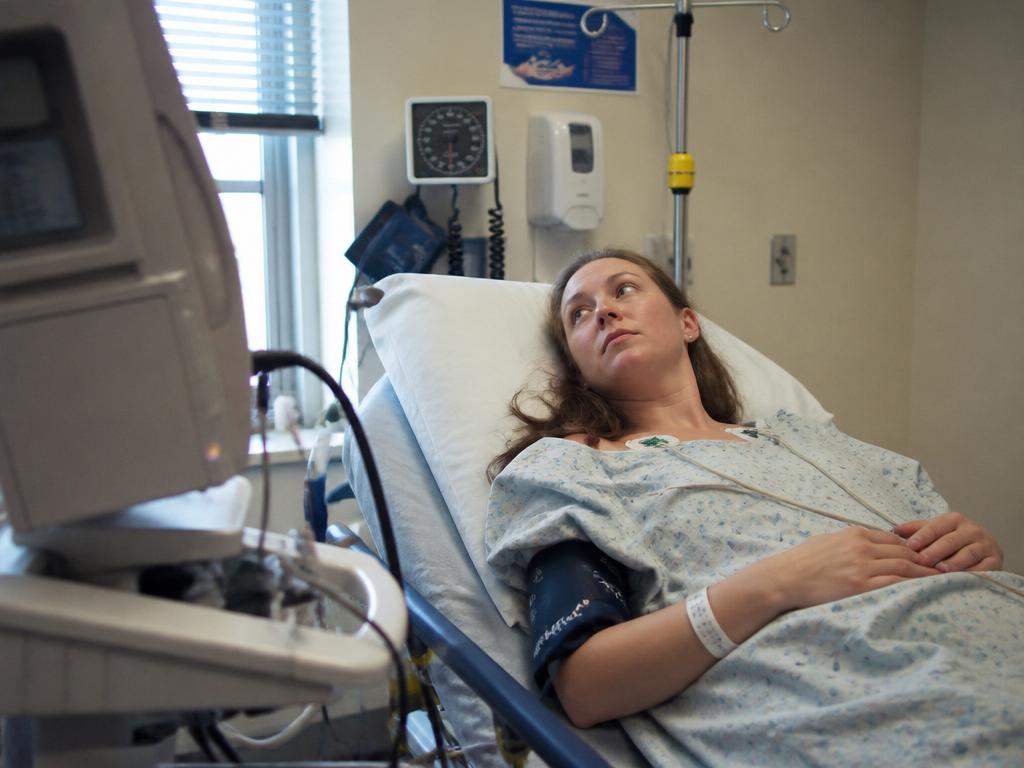
What a tilt table test actually measures, the heart-rate pattern clinicians look for in POTS, and what a result does and does not tell you.
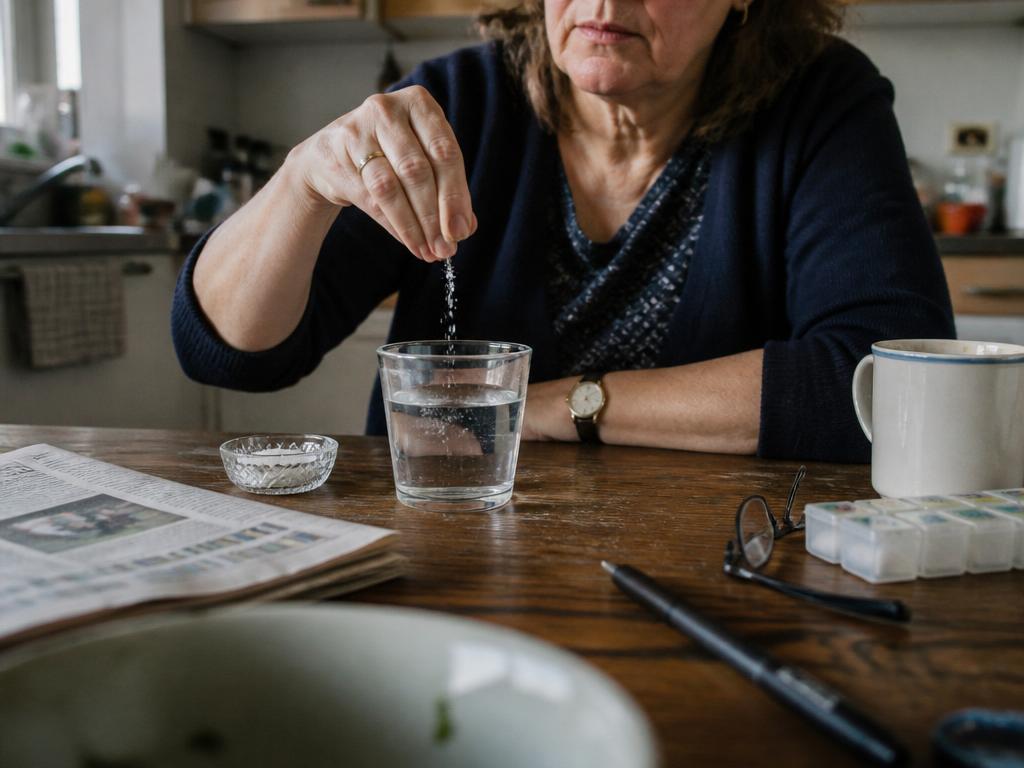
The osmosis-and-kidneys story behind 'salt and water' advice for POTS, explained simply — including why the effect has real limits.
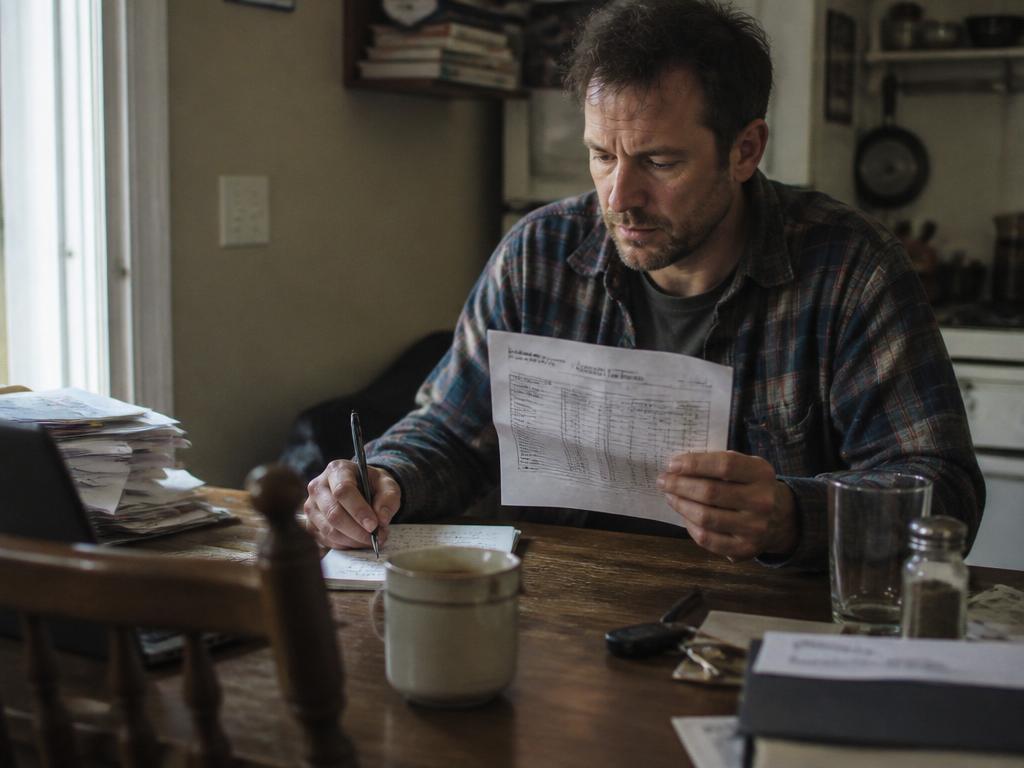
A plain-language explainer on blood volume, the standing response, the hypovolemic subtype of POTS, and where sodium and fluids fit in.