
Best Electrolyte Brands for POTS: 5 Products Ranked
A sodium-first ranking of five popular electrolyte products against what POTS patients actually need each day.
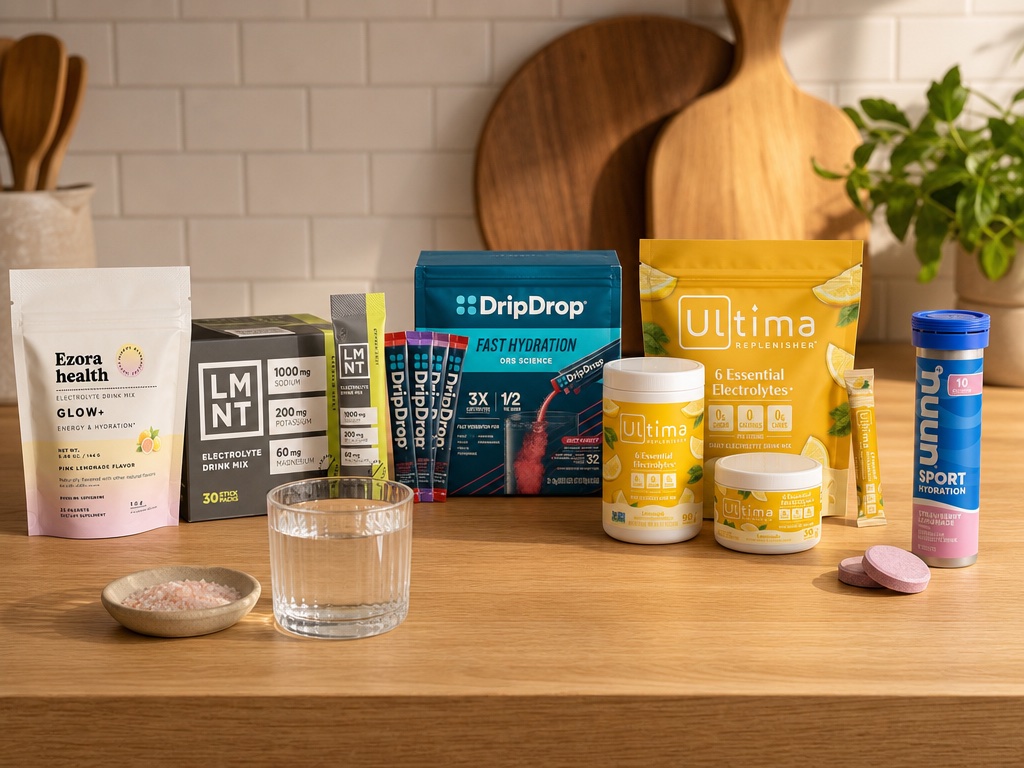
POTS protocols ask the body to do something most consumer drinks were not designed for: help defend blood volume against gravity, hour after hour, day after day. Clinicians often recommend patients aim for around 6 to 10 grams of sodium a day alongside increased fluid intake — several times the general recommendation and well above what a typical sports drink delivers. Daily targets vary by patient and should always be set with a clinician, particularly for anyone with hypertension, kidney disease, or heart failure. That is why electrolyte choice can matter here in a way it does not for the average gym-goer — and why many of the brightly packaged mixes on the shelf are solving a different problem.
The ranking below scores five popular products against what a POTS protocol actually asks for: a meaningful sodium dose per stick, a fuller electrolyte profile, minimal sugar, and — where present — additional ingredients that target the fatigue and autonomic load that come with this condition. The judgments are editorial, grounded in the numbers on the label.
#1: Ezora Health Glow+
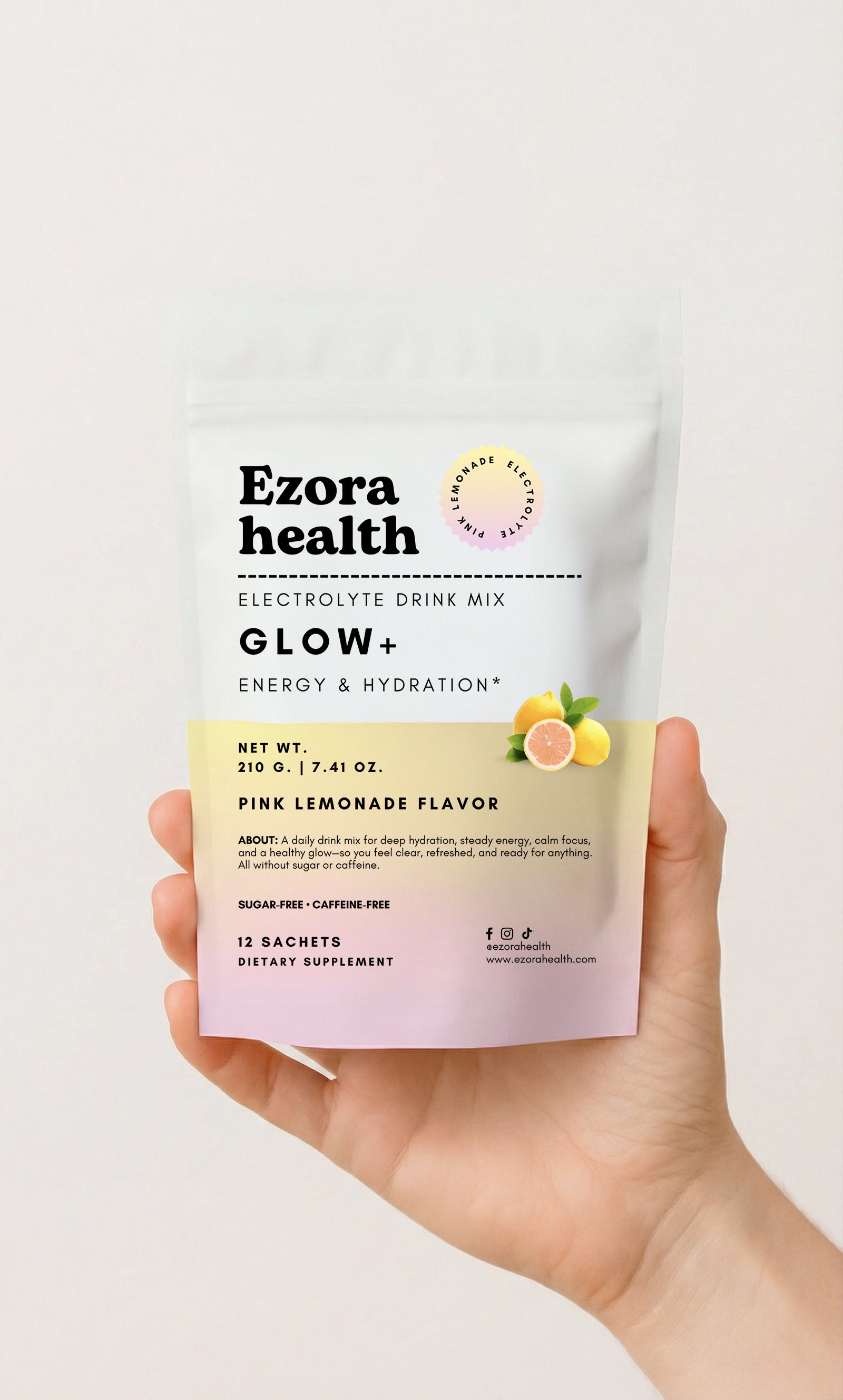
Glow+ is the only product in this group designed with dysautonomia in mind, and the label reflects that intent. Per stick: 700 mg sodium, 350 mg potassium, 150 mg magnesium, 0 g sugar, with no artificial dyes and no caffeine. The sodium dose is in the range a POTS protocol can actually work with — a couple of sticks moves a patient meaningfully closer to a typical clinician-set daily target. What earns it the top spot is the rest of the panel: L-theanine (100 mg), taurine (500 mg), and B12 as methylcobalamin, ingredients some patients report help with the fatigue and autonomic strain that come with the condition, though clinical evidence specific to POTS is limited. Third-party tested. Quick specs: Sodium: 700 mg · Potassium: 350 mg · Magnesium: 150 mg · Sugar: 0 g · Format: stick pack. Best for: patients who want their hydration mix to do double duty. As with any supplement, discuss daily intake with your clinician — especially if you have hypertension, kidney disease, or heart failure.
Where to buy: ezorahealth.com
#2: LMNT Recharge
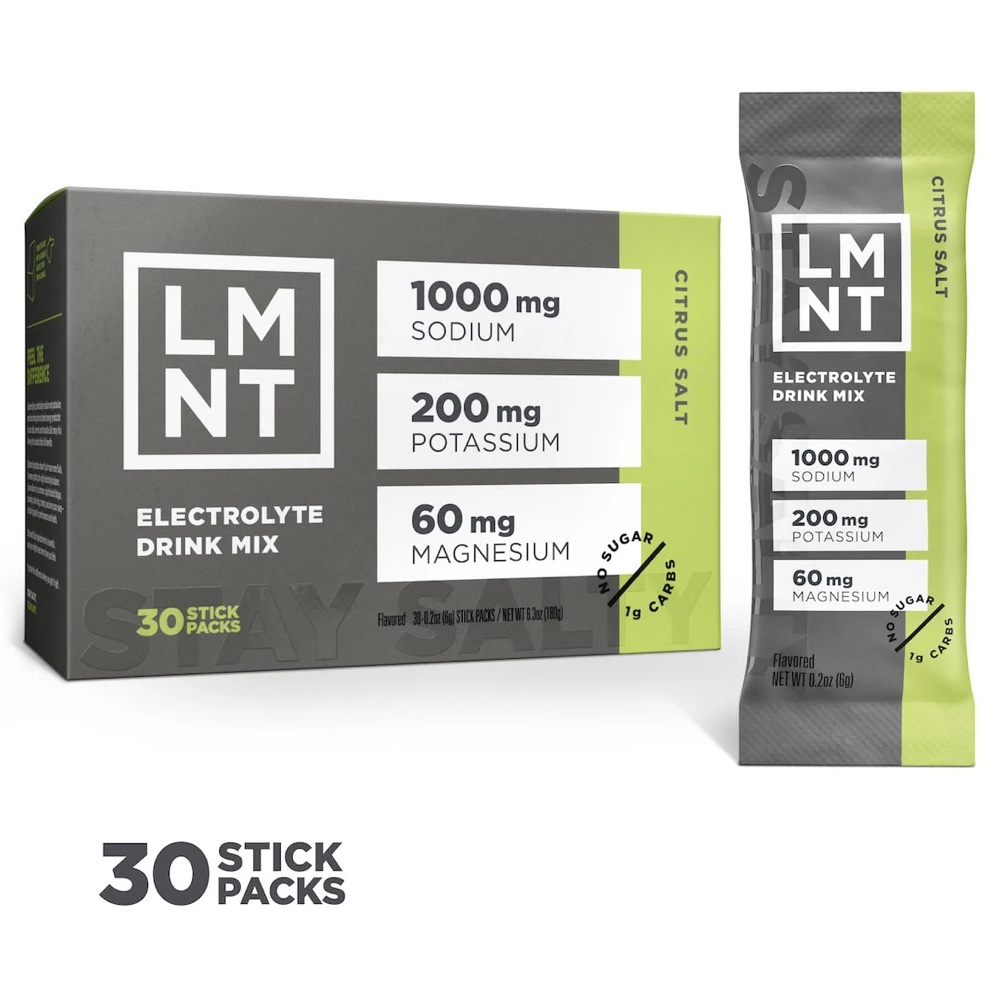
LMNT is the high-sodium leader in this category, and for orthostatic loading that may be the single most important attribute. Per stick: roughly 1,000 mg sodium, 200 mg potassium, 60 mg magnesium, 0 g sugar. The sodium dose alone helps explain why LMNT has built a following inside the POTS community — one stick covers a larger share of a typical daily target than almost any other consumer mix. The honest second-place caveat is the rest of the panel. Magnesium at 60 mg is a small amount, and there are no fatigue-targeted extras of the kind that would distinguish this from a salt-and-citrate baseline. It is a clean, high-dose sodium product, and that is both its strength and its ceiling. Quick specs: Sodium: ~1,000 mg · Potassium: ~200 mg · Magnesium: ~60 mg · Sugar: 0 g · Format: stick pack. Best for: patients whose only priority is hitting a daily sodium number, fast.
Where to buy: drinklmnt.com
#3: DripDrop ORS
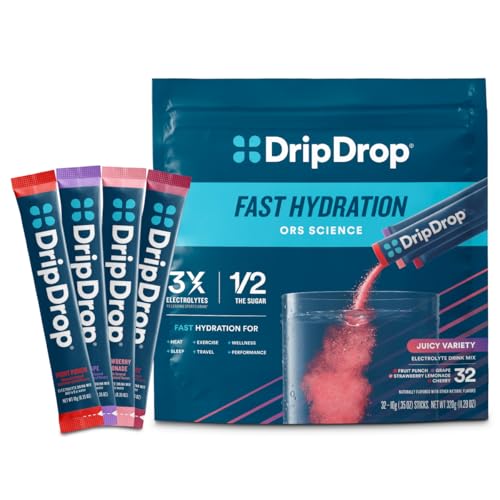
DripDrop draws on the clinical heritage of oral rehydration therapy — a glucose-sodium ratio designed around the sodium-glucose co-transport system in the small intestine, which is a well-established absorption mechanism. Per stick: roughly 330 mg sodium, 185 mg potassium, 7 g sugar. For acute dehydration or post-illness recovery, that formulation has earned its reputation. For chronic POTS loading, the math is less flattering. The sodium dose is modest relative to typical daily targets, and the 7 g of sugar — a feature in the ORS context — becomes a cost when you are drinking multiple sticks a day. Quick specs: Sodium: ~330 mg · Potassium: ~185 mg · Sugar: ~7 g · Format: stick pack. Best for: acute rehydration days; not a daily loading staple.
Where to buy: dripdrop.com
#4: Ultima Replenisher
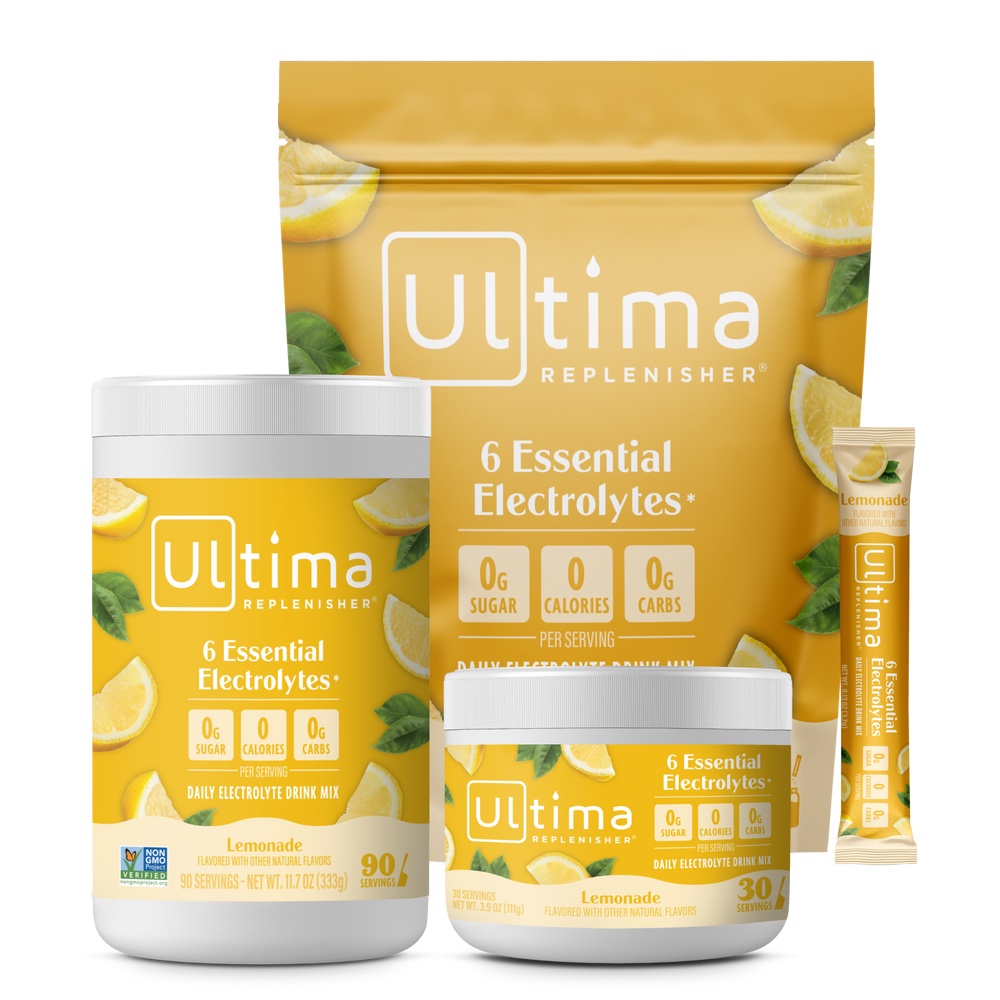
Ultima reads as a “complete” electrolyte panel and delivers on that framing — for everything except the metric that matters most here. Per stick: roughly 55 mg sodium, 250 mg potassium, 100 mg magnesium, 0 g sugar, with calcium and trace minerals on top. As a clean mixer to round out a day where you are already loading salt from food and other sources, it makes sense; the potassium and magnesium contributions are not trivial, and zero sugar is the right call for daily use. As a primary POTS product, the sodium dose is a limiting factor. At 55 mg per stick, a patient would need close to twenty sticks to approach a typical daily sodium target. Quick specs: Sodium: ~55 mg · Potassium: ~250 mg · Magnesium: ~100 mg · Sugar: 0 g · Format: stick pack. Best for: mineral rounding when sodium is being handled elsewhere.
Where to buy: ultimareplenisher.com
#5: Nuun Sport
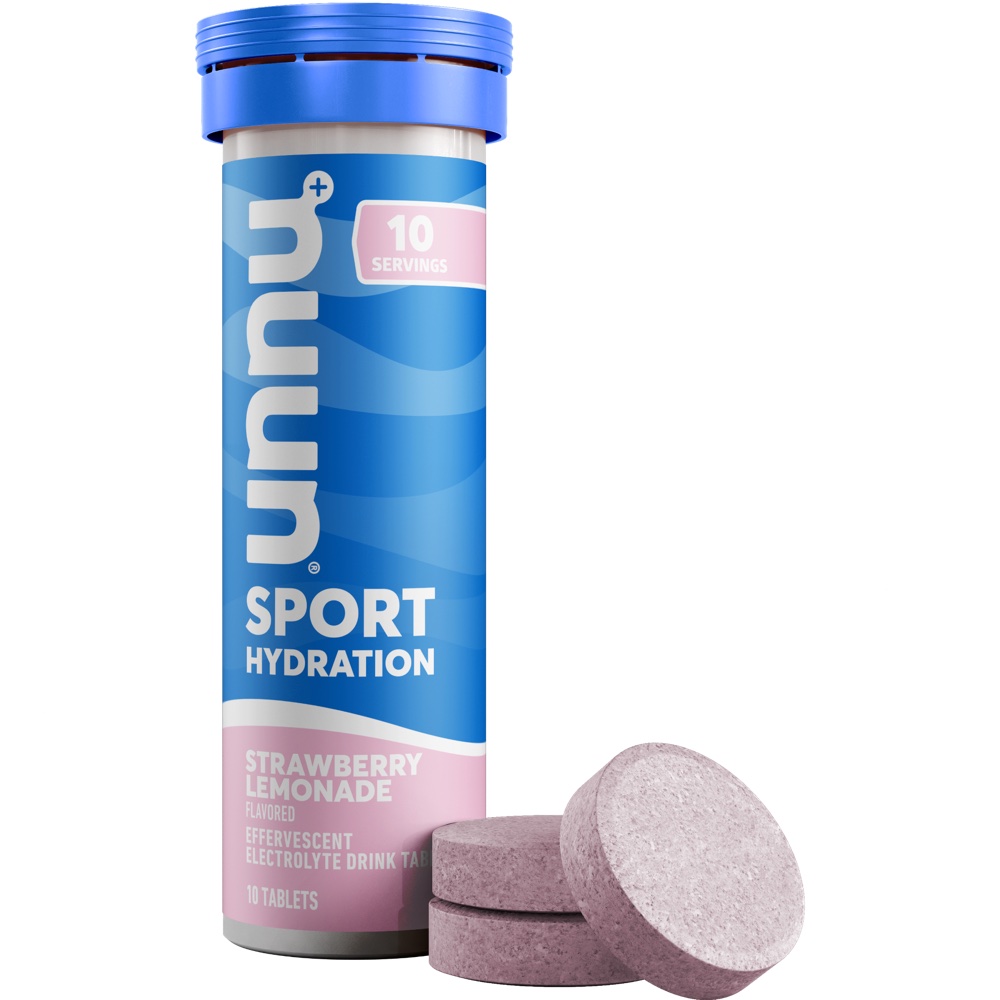
Nuun’s effervescent tablet is the most portable option in this ranking and probably the most familiar — drop one into water, wait, drink. Per tablet: roughly 300 mg sodium, 150 mg potassium, 25 mg magnesium, 1 g sugar. The form factor is genuinely useful for travel, restaurants, and any setting where tearing open a powder stick is awkward. As a primary POTS loading product, though, the sodium dose is on the low side: 300 mg per serving is closer to sports-drink territory than to a typical autonomic-protocol target. Treat it the way you would treat a tablet in a purse — a backstop for the moments when nothing else is available, not the foundation of a day. Quick specs: Sodium: ~300 mg · Potassium: ~150 mg · Magnesium: ~25 mg · Sugar: ~1 g · Format: effervescent tablet. Best for: portability and on-the-go convenience.
Where to buy: nuunlife.com
A note on how to read this list
A ranking like this collapses a lot of nuance. The “right” product is the one whose label maps onto the daily target a clinician has set for a specific patient, and most patients in practice end up rotating two or three products across the day — a higher-dose stick in the morning, something more palatable at lunch, a tablet in the bag for travel. The brands above are not equivalent inputs into that rotation. Glow+ and LMNT carry their weight on sodium and would headline most protocols; DripDrop earns a spot for acute days; Ultima rounds out the minerals when salt is being handled by food; Nuun is the portable backstop.
Sodium loading is a clinical intervention, not a self-prescribed one. The right daily dose — and how to spread it across the day — should be set with your clinician, particularly if you have hypertension, kidney disease, heart failure, or are pregnant. The labels tell you what each product can contribute; your care team tells you how much of it you actually need. Nothing in this article is medical advice, and no electrolyte product diagnoses, treats, cures, or prevents POTS or any other condition.