A Pre-Activity Loading Routine: Sodium and Fluids Before You Push
A structured 'load before you go' approach for known-tough activities with POTS — timing fluids and sodium, reading warning signs, and pacing through.
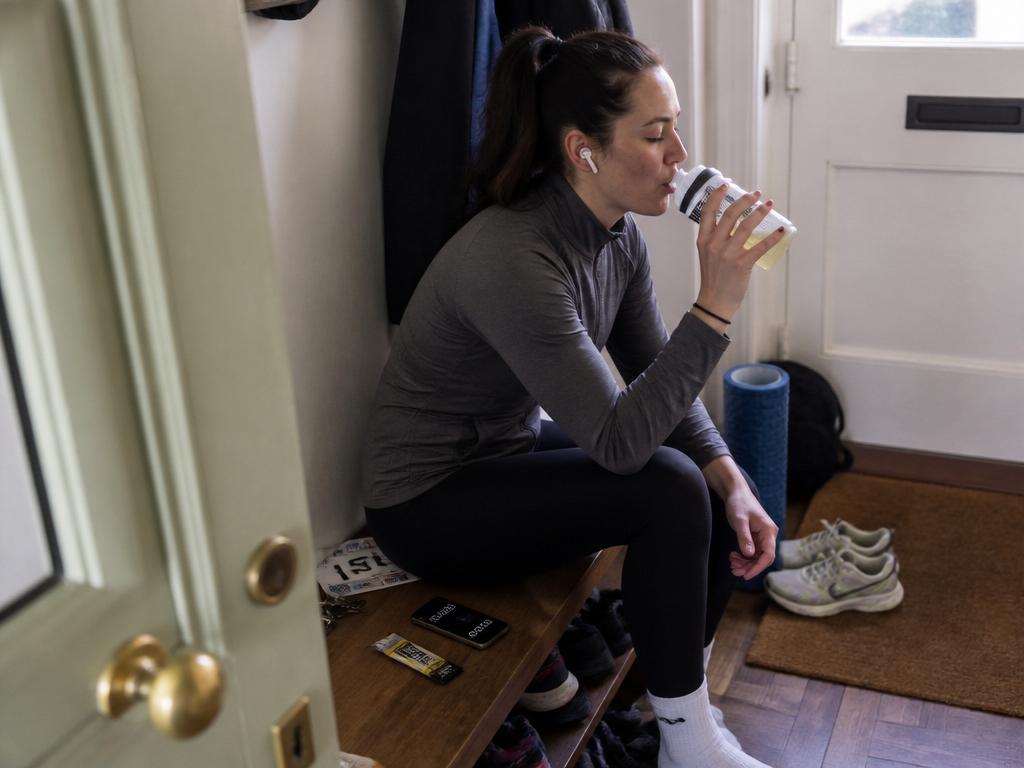
Some activities are predictably hard with POTS — a long event, a workout, a day that demands a lot of standing. For those, you do not have to simply hope for the best. Loading up on fluids and sodium beforehand is a way to meet the challenge prepared rather than depleted.
Timing fluids and sodium ahead of effort
The core idea of pre-activity loading is to raise your circulating volume before you need it, so your body has a buffer when the demand hits. Trying to catch up once you are already struggling rarely works as well.
In practice, that means front-loading fluids and sodium ahead of the activity rather than during or after. Drinking a meaningful amount with sodium on board, in the window before you start, gives your body time to take it in and put it to use. Sodium matters here for the same reason it always does: it helps you actually retain the fluid you take in, so the volume sticks around to support you through the effort instead of passing straight through.
A rapid pre-standing or pre-activity drink — sometimes called a water bolus, where you take in a larger volume over a few minutes — is a related tool that research suggests can give a short-term boost to standing tolerance. Used before a known-tough activity, it is another way to start from a stronger position.
| When | Loading step |
|---|---|
| Well before the activity | Be hydrated with sodium on board; do not start depleted |
| Shortly before | Top up fluids; consider a pre-activity bolus |
| During | Keep fluids accessible and sip steadily |
| After | Rehydrate and recover deliberately |
The exact amounts and timing that suit you are individual, and how much sodium is appropriate depends on your health and your clinician’s guidance, so treat this as a framework to personalize rather than a fixed recipe.
Reading your own warning signs
Loading sets you up, but no amount of preparation removes the need to listen to your body during the activity. Learning your own early warning signs is what lets you adjust before a manageable situation becomes a bad one.
Everyone’s signals differ, but common ones to watch for include:
- A heart rate climbing harder or faster than the effort seems to warrant
- Lightheadedness, a gray-out feeling, or visual changes
- Sudden fatigue, weakness, or feeling “wrong” in a way you have learned to recognize
- Nausea or clamminess coming on
The point of knowing these is to respond early. The most useful skill is treating your first warning signs as information to act on — easing off, cooling down, sitting or lying down, topping up fluids — rather than something to override. Pushing past clear warnings is how people end up flattened for days, which defeats the purpose of preparing in the first place.
Cooling and pacing during activity
Two more levers carry you through once the activity is underway: managing heat and managing intensity. Both work alongside your loading.
Heat compounds everything in POTS, because warmth widens your blood vessels and deepens pooling on top of the exertion. So staying cool during effortful activity is not a luxury — it directly reduces the strain. Plan for shade, airflow, breaks in cooler air, and cooling the neck, wrists, and face if you start to overheat. Choosing cooler times of day for hard activities helps too.
Pacing is the other half. Rather than going all-out and crashing, the durable approach is to spread your effort, build in rest, and keep something in reserve. Breaking a demanding activity into segments with recovery between them often gets you further than one continuous push. The aim is to finish steady, not to find your limit. Loading, warning-sign awareness, cooling, and pacing work as a set — each makes the others more effective.
The bottom line
For predictably tough activities, load fluids and sodium ahead of time so your blood volume has a buffer when you need it, and consider a pre-activity bolus for an extra short-term lift. Learn your personal warning signs and act on them early rather than pushing through. Keep cool and pace your effort with built-in recovery so you finish steady. Personalize the amounts and timing with your clinician, especially the sodium.