
Recumbent Exercise and POTS: Starting Without Triggering Symptoms
Why floor- and seated-based exercise is a common entry point for POTS, how to progress toward upright over time, and how to handle hydration and recovery.
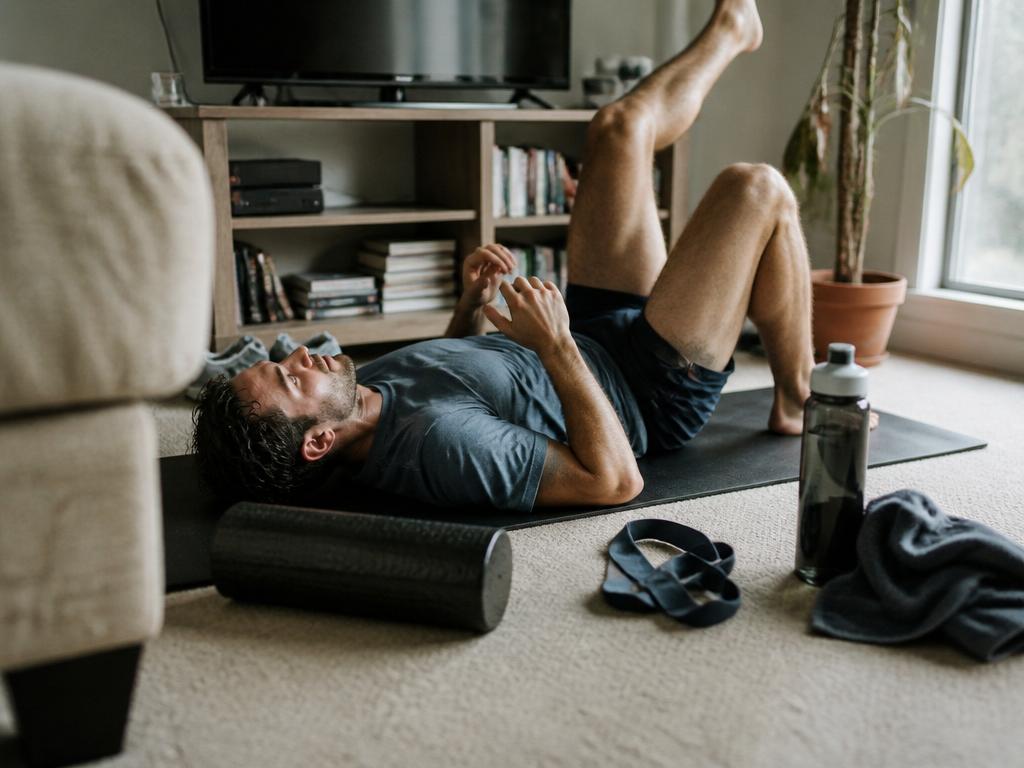
Exercise and POTS have a complicated relationship. Movement can genuinely help over time, yet the upright, dynamic exercise most people picture is often exactly what triggers symptoms. Starting in a reclined or seated position is a common way to thread that needle.
Why starting horizontal helps
The reason upright exercise is so hard with POTS comes back to gravity and blood pooling. Standing already pulls blood downward and strains the standing response; adding exertion on top can overwhelm it quickly. Starting in a horizontal or reclined position sidesteps much of that.
When your body is reclined or you are seated low, gravity has far less opportunity to pool blood in your legs. Your heart does not have to fight the same uphill battle to keep blood circulating, so you can move and build some fitness without provoking the worst of the orthostatic strain. This is why recumbent and floor-based exercise — and water-based movement, where buoyancy supports you — come up so often as starting points for people with POTS.
The goal at this stage is not intensity. It is finding a way to be active at all without setting off symptoms, so that you can do it consistently. Consistency, more than effort, is what allows progress to build.
Progressing toward upright over time
Recumbent exercise is usually a beginning, not a destination. The longer-term aim for many people is to gradually rebuild tolerance so that more upright activity becomes manageable, but the operative word is gradually.
A sensible progression tends to look like this:
- Start with reclined or seated movement you can do without triggering symptoms
- Build duration and consistency at that level before adding difficulty
- Progress slowly toward more upright positions and activity as tolerance grows
- Expect the path to be uneven, with better and worse weeks, and adjust rather than force it
The pace that works is individual, and pushing too far too fast is a common way to set yourself back, sometimes for days. This is one area where structured guidance genuinely helps: many people with POTS benefit from a graded program designed with a clinician or a physical therapist familiar with the condition, who can calibrate the progression to you. Treat any general sequence as a sketch, not a schedule.
Hydration and recovery around sessions
What you do around exercise matters as much as the exercise itself. Because activity taxes your system, supporting your blood volume before and after helps you tolerate it and bounce back.
| Around the session | Practical approach |
|---|---|
| Before | Be well-hydrated with sodium on board, not starting depleted |
| During | Keep fluids handy; sip rather than waiting; stay cool |
| After | Rehydrate, and give yourself time to recover before standing tasks |
| Overall | Build recovery into the plan; do not stack a hard day on a hard day |
Pacing is the larger principle. Exercise is a deliberate expenditure of energy, so it should be balanced with deliberate recovery. Cooling matters too, since heat and exertion together compound the strain. If you feel symptoms ramp up during a session, easing off and lying down is the sensible response, not pushing through. Over time, supported and consistent sessions tend to do more good than occasional hard efforts that leave you flattened.
As with any change to activity, especially with a heart-rate condition, it is worth shaping the plan with your clinician before you begin.
The bottom line
Upright exercise often triggers POTS because it adds exertion to the standing challenge, so reclined, seated, or water-based movement is a common, gentler entry point. Build consistency at a symptom-free level first, then progress toward upright slowly — ideally with a graded program guided by someone who knows POTS. Support each session with fluids, sodium, cooling, and real recovery, and let your care team help you set the pace.