
An Evening Wind-Down Routine to Support the Next Day
Overnight fluid shifts shape how mornings feel with POTS — an evening wind-down covering hydration, leg elevation, and prepping tomorrow's plan.
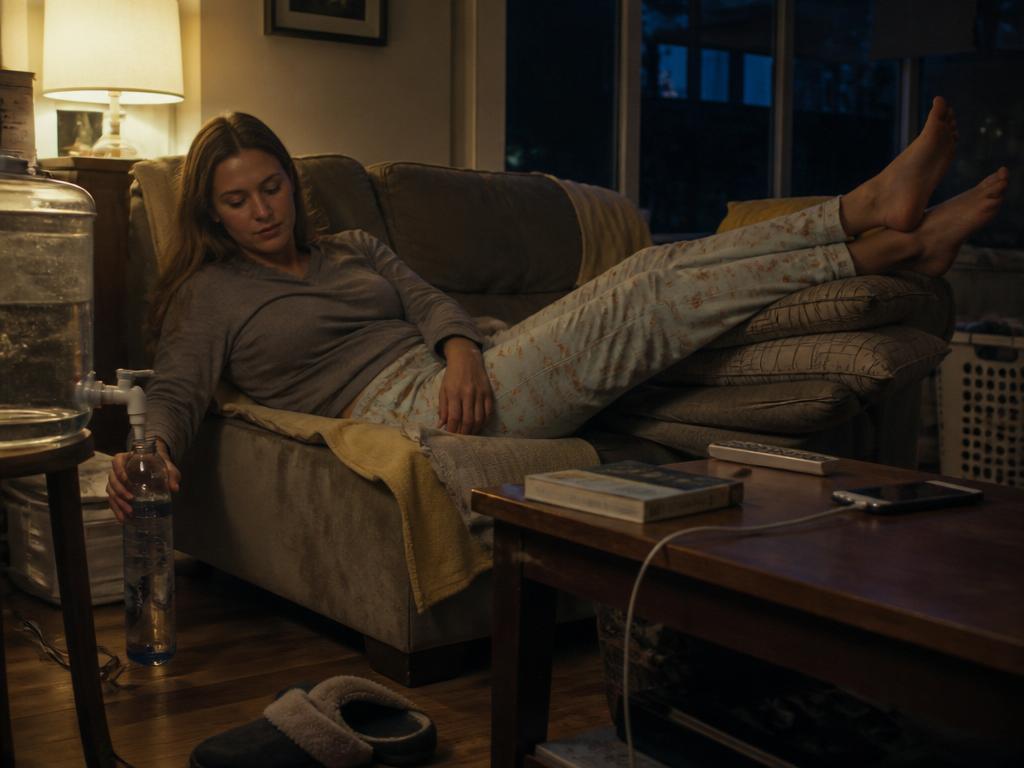
Mornings get most of the attention in POTS, but the night before quietly sets them up. How you hydrate, position yourself, and prepare in the evening influences the fluid shifts that happen overnight — and how rough that first stand feels.
Evening hydration without nighttime trips
Evening hydration is a balancing act. You want to head into the night reasonably topped up, because you will lose fluid overnight and wake at a low point. But drinking heavily right before bed sends you to the bathroom and wrecks your sleep, and poor sleep tends to make POTS worse the next day.
The way through is to taper rather than to either binge or cut off. Keep your fluids steady through the earlier evening, then ease back on large volumes in the couple of hours before bed. Sodium during the day continues to matter, because fluid you have actually retained holds better overnight than fluid that has already been flushed. The aim is to arrive at bedtime hydrated but not sloshing.
| Evening window | Hydration approach |
|---|---|
| Early evening | Keep sipping steadily; sodium with your meal |
| Couple of hours before bed | Taper larger volumes |
| Right before bed | Small sips only, if needed |
| On the nightstand | A drink ready for the morning, before you stand |
A small but useful habit: set out your morning drink the night before. It means that when you wake at your most depleted, rehydrating before standing requires no effort or decisions.
Leg elevation and positioning
How you position your body overnight can influence the fluid shifts that affect your morning. This is a lever many people overlook.
When you lie flat for hours, fluid that has pooled in your lower body during the day redistributes, and some of it is processed and lost overnight, which is part of why you wake low on volume. Some people with POTS find that elevating the head of the bed slightly — sleeping on a gentle incline rather than fully flat — helps moderate these overnight shifts and can make the morning transition a little easier. It is a commonly discussed adjustment, though whether it helps you, and how much incline is appropriate, is worth raising with your clinician.
Putting your legs up for a while in the evening, before bed, is a separate and gentler habit. A spell with your legs elevated can help drain pooled fluid from your lower body and is a pleasant way to wind down. Neither of these is a cure, but they are low-effort additions that fit naturally into an evening routine.
Preparing tomorrow’s loading plan
The final piece of an evening wind-down is looking ahead. A few minutes of preparation removes friction from the morning, when your capacity to organize anything is at its lowest.
This is mostly about making tomorrow’s good habits automatic:
- Set your morning drink, with a way to add sodium, where you will reach it before standing
- Glance at tomorrow’s demands and flag anything tough, so you can plan to load before it
- Lay out what you need so the morning has fewer decisions and fewer sudden stands
- Aim for a consistent wind-down and bedtime, since steady sleep supports steadier days
The theme is the same one that runs through good POTS routines: make the helpful thing the easy thing. By front-loading tomorrow’s decisions into tonight, you spare your morning self the effort and reduce the chance of skipping steps on a rough day. A predictable evening hands a smoother start to your predictable morning.
The bottom line
Evenings set up mornings through the fluid shifts that happen overnight. Stay hydrated through the early evening and taper before bed to protect sleep, keep sodium in the day so fluid is retained, and use leg elevation or a gentle bed incline if they suit you. Prepare tomorrow’s drink and plan tonight so the morning runs on autopilot. As with any positioning or fluid change, confirm what is right for you with your clinician.