
Grocery Shopping and Standing in Lines: Surviving Errands
Quiet standing is one of the hardest positions for POTS — here are the calf-pumping and leg-crossing maneuvers and planning tips that make errands doable.
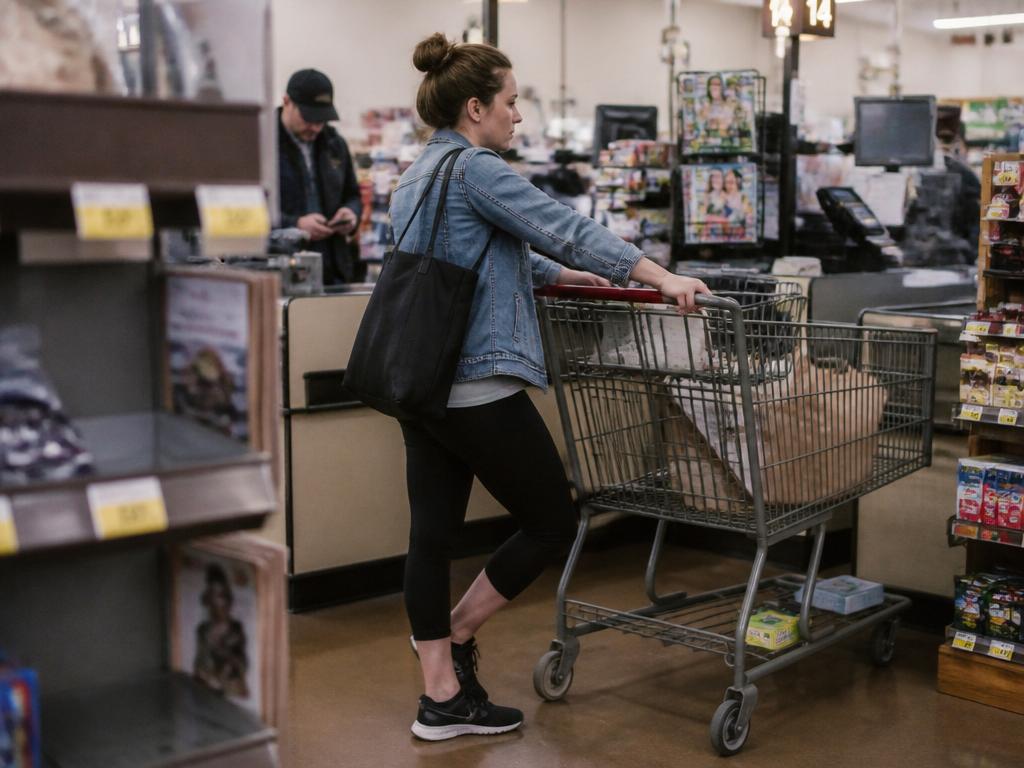
Errands are deceptively hard with POTS. It is not the walking that gets you — it is the waiting. The checkout line, the pharmacy counter, the moment you stop to compare two shelves. Quiet standing is one of the toughest positions there is, and knowing that changes how you approach a trip.
Why still standing is worse than walking
It feels backwards: surely standing still is easier than moving around? For POTS, the opposite is usually true, and there is a clear reason.
When you walk, your leg muscles contract with every step. Those contractions act like a pump, squeezing the veins and pushing blood back up toward your heart against gravity. This is sometimes called the muscle pump, and it is doing constant, invisible work to keep your circulation moving. The moment you stop and stand still, the pump switches off. Blood begins to pool in your legs with nothing to drive it back up, and in POTS that pooling quickly translates into a racing heart, lightheadedness, and fatigue.
So the dangerous moments on an errand are the static ones — the lines and the pauses — not the aisles. That single insight is the basis for everything else.
Leg-crossing and calf-pumping maneuvers
Since the problem is a switched-off muscle pump, the solution is to switch it back on manually. These counter-maneuvers are easy to do unobtrusively while you wait, and they genuinely help.
- Calf pumps: rock up onto your toes and back down, repeatedly, to fire the calf muscles
- Leg crossing with a squeeze: cross one leg over the other and tense your thigh, buttock, and calf muscles; this compresses pooled blood back toward your core
- Shifting and marching: subtly shift your weight foot to foot, or do a small in-place march
- Clench and hold: tighten your leg and buttock muscles for a few seconds at a time while standing
If a line is long and you feel symptoms rising, lean against something, put a foot up on a low ledge or basket, or crouch briefly to tie a shoe — anything that interrupts the quiet standing. Carrying a basket you can rest a foot on, or leaning on a cart, doubles as support.
| Situation | Quick move |
|---|---|
| Long checkout line | Calf pumps; lean on the cart; cross and squeeze legs |
| Waiting at a counter | Shift weight, march in place, tense leg muscles |
| Feeling symptoms rise | Crouch, sit if a seat is near, or step out of line |
| Comparing items on a shelf | Keep moving slightly rather than standing frozen |
A cart is an underrated ally here, both as something to lean on and as a way to keep your hands free for these maneuvers.
Planning trips around your energy windows
The maneuvers handle the moments; planning handles the day. People with POTS often have better and worse windows, and shaping errands around them prevents a lot of suffering.
Go when you tend to feel strongest, and when stores are quietest so lines are shorter — off-peak hours mean less standing and waiting. Arrive hydrated, with sodium on board, and bring a drink for the trip. Keep individual outings focused rather than marathon multi-stop expeditions, and break a big shop into smaller trips if you can. Where it is an option, sitting down to pay, using a seated rest area, or choosing pickup and delivery for the heaviest hauls all remove standing time entirely without any guilt attached.
Pacing is the larger principle: spend your energy deliberately, leave a margin, and do not assume you will feel as good at the end of the trip as the start. A short list and an exit plan beat pushing through a crowded store on a bad day.
The bottom line
Errands tax POTS through quiet standing, which shuts off the leg muscle pump and lets blood pool. Counter it actively with calf pumps, leg crosses, and weight shifts in every line, and lean on a cart for support. Plan trips for your strong hours and quiet store times, arrive hydrated with sodium, keep outings short, and use seated or delivery options without hesitation. Shape your own pacing with the guidance of your care team.